

Is Some Forensic Evidence Considered “Junk Science”?
Forensic evidence can mean the difference between someone being declared guilty or innocent at trial. Unfortunately, while television and movies might lead you to believe that forensic evidence is undisputable fact, not all of it is as reliable as fiction tells us. In reality, some forensics aren’t backed up by reliable evidence, making them what are commonly called “junk science.”
What Is Junk Science?
When a method or theory hasn’t been sufficiently researched or lacks the evidence to back it up, only to be presented as if it’s already an established scientific fact, it’s considered junk science. Junk science also is used to refer to the oversimplification of complex concepts and results.
In certain cases, a faulty forensic technique at least has some shred of evidence to back up its usage in the field. There are some, however, that come with no supporting evidence whatsoever. Oftentimes, there are complex findings that have been oversimplified to fit into an argument for the use of a given method.
Why Is Junk Science So Pervasive?
The popularization of various methodologies used in forensics labs is due in no small part to their presence in crime drama serials, from books and movies to TV shows. Many of these methods come with varying degrees of reliability in reality, but this makes them no less entertaining for audiences in a fictionalized context.
While the public may be more aware of these techniques, people generally aren’t as clear about how accurate and reliable they truly are. In fact, many would argue that it is the use of these dubious techniques in pop culture that has helped them work their way into the reality of how investigations are conducted in the criminal justice system.
Where Does Forensics Come Into Play?
Some of the main forms of junk science that have made their way into mainstream forensics include:
- Scientific Content Analysis (SCAN)
- Photo analysis
- Roadside drug tests
- Bloodstain-pattern analysis

Scientific Content Analysis, also known as SCAN, is a way to analyze things that suspects have written down. These written statements supposedly have indicators that the writer was acting with deception, and with SCAN, scientists purportedly can pick those out. Despite the fact that Scientific Content Analysis hasn’t been scientifically proven to work, it’s a technique that has long pervaded forensic analysis.
Photo analysis has been used by the FBI for years to investigate numerous crimes. Agents compare photographs against identifying elements of suspects, such as stitches in clothing or fine facial lines. However, the technique has never been proven to have a reliable level of accuracy in scientific studies.
Forensics that might appear to have more defined parameters can also be junk science. Where SCAN and photo analysis rely heavily on interpretation, bloodstain-pattern analysis takes a more methodical approach, often attempting to determine factors like the angle and velocity of an impact. In actuality, there are very few peer-reviewed studies on the method, and forensics experts tend to lean on interpretation of various events to form an explanation of how a crime resulted in blood spatter.
Even common methods like roadside drug tests can fall under the umbrella of junk science. With a lack of oversight of the production and sale of these testing kits, it’s already difficult to fully rely on their results. Multiple cases have shown officers mistesting suspects and misreading results, too—along with the tests’ tendency to give false positive results. The manufacturers of these tests don’t provide clear error rates, either, which further muddies their efficacy.
When a Morristown criminal defense lawyer is on the lookout for junk science, there are several criteria that they have in mind. Many of these questionable methods in use today have a lot in common with one another.
One of the main indicators that a technique is junk science is if it’s presented as if its results are entirely certain, and nothing is said about the error rates. Other signs include limited evidence that backs up the claims, a heavy reliance on subjective interpretation, and a quick path to expertise in the discipline.
If you have been charged with a criminal offense by the state of New Jersey and are worried about what might happen if the case goes to trial, reach out to Morristown criminal defense lawyer Gregg Wisotsky via the contact form on his website or by calling 973-898-0161.
 There Are Limits to What Can Be Expunged
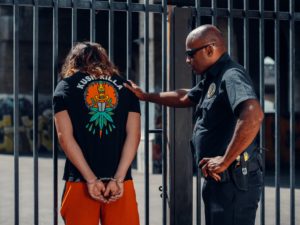 Miranda rights might sound fairly broad, but they are only relevant in a few specific situations. A Miranda warning is required if you are in police custody and under interrogation. Any remarks you make outside of those situations do not require one.
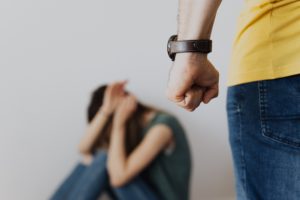 When you meet with the attorney, explain the entire incident. Allow them to plan for gathering evidence, finding witnesses to testify, and negotiating with the prosecutor. Your attorney is legally obligated to defend you to the best of their ability, so you can trust them to handle the proceedings.
 The state now recognizes that it cannot indefinitely put a halt to trials because it will violate the legal rights of parties to a civil trial. With that in mind, they are making an effort to reopen courtrooms and begin to try to return to normal operations.