

COVID in New Jersey: What Is the Impact on Crime?
As a result of COVID-19, hundreds of thousands of people have been killed, millions sickened, and tens of millions of people have seen their employment disrupted. This, in turn, has impacted our economy, and the reach of that disruption has extended its tentacles into many aspects of our lives. However, as bad as it has been, some of the impacts have been more mixed, and in some ways, COVID has helped make a positive difference in society, including in some areas, like crime.
Economic Impact of COVID in New Jersey
Few states have been hit as hard by COVID as has New Jersey. This is the case for many reasons. First and foremost, unfortunately for the Garden State and its residents, New Jersey was one of the epicenters of COVID when it first hit the United States in March. For some time, New Jersey had some of the highest numbers of cases in the entire country. It also had extremely high positivity rates, hospitalization usage, and deaths.
Those impacts remain to date, although the numbers have declined. As of the end of October 2020, there were 231,000 cases of COVID-19 in New Jersey with more than 16,000 deaths. Relatively speaking, this is a high number. In terms of its rankings in the United States, New Jersey has the:
- 10th highest number of cases
- 5th highest number of deaths
- 26th highest number of cases per 1 million residents
New Jersey Gov. Phil Murphy won praise and high approval ratings from his state’s residents, acting aggressively to close businesses and limit nonessential workers from traveling.
However, those measures and the human toll of the virus have exacted a steep price on the New Jersey economy. From that perspective, New Jersey continues to suffer. The state’s unemployment rate is 11.1 percent, which is much higher than the national average of 7.9 percent. The state has recovered significantly from the March/April unemployment highs but clearly has a long way to go after losing 759,000 jobs and having recovered a mere 40 percent of them.
As one would expect, the impact of this job loss was the hardest on the service, retail and tourism industries. These impacts, of course, hit people whose jobs were the least secure, often including women and racial minorities who have been made to bear the brunt of this pandemic.
Impact of COVID and other Economic Disruptions on Crime Across the United States
A wide array of research has detailed the impact that economic disruption and recessions have on crime. The results have yielded many findings, some of which make sense and others that are counterintuitive.
On one hand, according to the World Economic Forum, young people who leave school or graduate during a recession are more likely to become involved in crime than people who leave school when economic times are rosier. This is because young people who have a harder time finding a job are likelier to turn to a life of crime as there is no other productive way to spend their time or make a living. Of course, this could be particularly devastating for youth who were leaving high school or college during the height of the COVID-19 pandemic.
 However, this does not mean that crime rates are bound to increase during difficult economic times. For example, according to an analysis by the Stanford Center on Poverty and Economic Inequality, crime rates were declining before the Great Recession, and they continued to decline during it. At the same time, the analysis noted that crime increased during many periods of economic growth, notably during the 1960s and 1970s. The paper noted the possibility that crime rates may lag behind these periods of growth and contraction, but it does appear possible that recessions will not broadly impact the crime rate. As such, it appears highly possible that other factors can crowd out the impact that the economy may have on crime.
As we are still in the middle of COVID, it is more difficult to determine what impact it has had on crime and the crime rate. However, some conclusions can be drawn. Arrests and crime reports are down in many areas throughout the country. Citing concerns of the danger jails and prisons posed, many police departments reduced arrests, instead opting to ticket individuals for alleged infractions. In areas with significant lockdowns or rates of illness, most types of crime fell dramatically, although some areas saw increases in certain types of physical crimes, such as burglaries of commercial properties. Criminals presumably targeted these areas, knowing they would be unoccupied during much of the lockdown.
Additionally, some other types of crime increased. Cybercrime, domestic violence and hate crimes against Asian Americans all saw increases, which can all be tied directly to the impact of COVID-19.
However, to be clear, while many types of crime have decreased, there is still a huge demand for legal services. Crime is still occurring; arrests are still being made; and many standard legal events, like trials, have been altered. As such, if you live in the Morristown area and need help finding an attorney, you should make sure to reach out to a Morristown criminal defense lawyer. Furthermore, you should do so sooner rather than later as any delay in court proceedings may extend your legal issues longer than necessary.
The Impact of COVID on Crime in New Jersey
If anything, it appears that the impact of COVID-19 on New Jersey crime rates has been positive. A report in mid-May by the New Jersey State Police found that crime had “plummeted” in New Jersey during the coronavirus outbreak. That report found that virtually all categories of crime, including violent crime and property crime, had dropped. In some cases, certain types of crimes dropped by as much as 65 percent. Even domestic violence calls had dropped by 16 percent. The only type of violent crime that increased was murder, which went up 9 percent.
These statistics were echoed in other parts of New Jersey. For example, in October 2020, Middletown reported record-low crime rates. Similar reports were found in other places in New Jersey.
However, in some cases, certain types of crime were found to have increased. For example, in April 2020, New Jersey announced that it was charging more than 2,200 people with crimes related to violating COVID-19 emergency health orders. The number of people who have been charged with such crimes has only increased since then. An August 2020 report discussed the arrest of 21 individuals who used the increase in children’s internet activity to prey on vulnerable kids and potentially commit sexual crimes against them.
On the whole, it is too soon to make definitive conclusions about the impact that COVID-19 has had on crime rates in New Jersey. However, with some exceptions, preliminary data indicate that crime has gone down in the state.
At the end of the day, far too many people have found themselves in trouble with the law. If you are looking for a Morristown criminal defense lawyer, contact the law office of Gregg Wisotsky. We offer top-notch criminal legal services, including defense strategies for assault, fraud, drug offenses and other felonies and misdemeanors. There are many ways to contact the firm, including by filling out the form on our site. You can also call us at (973) 898-0161 during business hours or (908) 229-9714 after hours and on weekends.
 Since it has been rescinded, residents no longer have to worry about facing fines or jail time for breaking New Jersey’s stay-at-home order. As for the mask mandate, it’s possible that penalties and charges will start to be assessed in the coming weeks for individuals who are caught not covering their faces while in stores and outdoor places throughout New Jersey.
 The three most common types of COVID-19 wrongful death lawsuits occur in nursing homes, employment settings and stores. While plaintiffs in these cases face some hurdles, they are hoping that the defendant’s conduct in these cases was so bad that they can persuade the jury of liability. Alternatively, they are hoping that the defendants may realize that they have legal risks and settle the case.
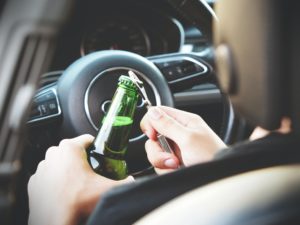 It depends on who you ask. On one hand, there are significantly fewer people on the roads, and fewer of those people are drinking while driving because there is less access to bars, restaurants and other establishments that serve alcohol. On the other hand, many people are working from home or have temporarily or permanently lost their employment. Many people have more free time than usual and are under great stress from the pandemic itself as well as the ancillary challenges. Consider that during the pandemic, alcohol sales went up 55% compared to years prior, according to the Nielsen market research firm.
  The state now recognizes that it cannot indefinitely put a halt to trials because it will violate the legal rights of parties to a civil trial. With that in mind, they are making an effort to reopen courtrooms and begin to try to return to normal operations.
 The backlog is so severe that some
 You cannot file a standard personal injury lawsuit on the theory that the employer was negligent in failing to protect you. While you can receive workers’ compensation benefits under those circumstances, you would likely get more in payment in a personal injury lawsuit. This is why some victims will want to find a reason to try to file a lawsuit instead of a workers’ compensation claim.
 If a law enforcement agency wants to stop the spread of the virus, it will have to implement these policy procedures. In some cases, these measures might have a permanent effect on policing in America. During the virus outbreak, many people have called on police to reduce the number of custodial arrests and police stops. In some police departments, officers have been instructed to handle only the most serious calls and minimize stops for those low-level crimes.
 It May Be Harder to Collect Your Payment If You Wait
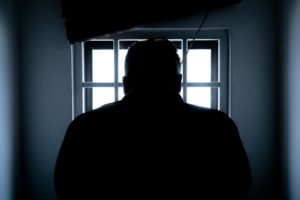 However, actual reports about the furlough program in its early weeks of operation stated that there was mass confusion and inmates were being furloughed less than they otherwise should have been. In the first few weeks of the program, only about 50 inmates were furloughed as the prisons did not really understand the rules. By the middle of May, that number had increased to 100, but victims’ rights groups have complained that the state has been moving too slowly and has placed prisoners at risk.