


On average, one in 50 drivers in the United States have been arrested for a DUI in the past five years. For most drivers, a DUI arrest can lead to jail time and fines. However, for airline pilots, DUI arrests can result in even more consequences.
Why Are DUIs So Serious for Pilots?
Because pilots control massive pieces of machinery and many are responsible for hundreds of people’s lives, the Federal Aviation Administration (FAA) takes pilots with DUIs very seriously. If someone is so vulnerable to alcohol abuse that they drove while drunk, the FAA has concerns that the pilot might also abuse alcohol while flying. To avoid endangering the public, the FAA has to closely investigate the circumstances whenever a pilot gets a DUI. Any pilot who is arrested for a DUI is supposed to report it to the FAA so the situation can be properly investigated.
Potential Consequences for a Pilot Who Gets a DUI
Driving under the influence is always a dangerous situation, so it’s no surprise that the law takes it quite seriously. Just like anyone else with a DUI, a pilot can potentially end up going to prison or paying very large fines. If you injured anyone or damaged personal property while driving drunk, you might face some lawsuits as well.
In addition to all of these standard consequences, a pilot with a DUI also has some other potential issues to worry about. If you fail to follow FAA guidelines for reporting a DUI, you could potentially get your pilot’s license suspended or revoked. In cases where the pilot does report their DUI and the FAA does investigate, you can still lose your job no matter what happens with your license. Many major airlines have policies in place that require them to fire any pilot convicted of a DUI.
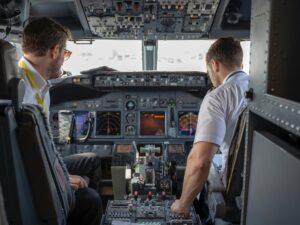
What Should Pilots Do When They Get a DUI?
Any time a pilot is arrested for drinking and driving, they need to act fast. Regardless of whether or not you were convicted, you will need to report the incident to both the FAA and the airline that employs you. The FAA requires you to report the arrest within 60 days of it occurring, and different airlines may have different rules about how promptly you should report it. Your Morristown criminal defense lawyer can help you figure out your legal obligations for reporting the incident.
The standard rule is that pilots ought to report their DUI by sending a letter to the FAA’s Security and Investigative Division. They will then provide you with details about what you should do next. Typically, you will end up needing to take a medical exam to see whether or not you have an alcohol use disorder that could impair your ability to fly. The FAA’s response is decided on a case-by-case basis, but typically they only suspend or revoke a license in one of these situations:
- You’ve already been arrested for DUI two or more times.
- You’ve been arrested for other criminal actions in the past two years.
- Your blood alcohol content was higher than 0.15.
- You refused to provide appropriate documents to the FAA when requested.
- You seriously injured or killed someone while driving under the influence.
- You refused to cooperate with law enforcement and take a blood alcohol test.
If you or a loved one has been arrested for a DUI in New Jersey, it’s important to seek a DUI defense lawyer as soon as possible. The right counsel has the potential to help you avoid a conviction or reduce the risk of losing your pilot’s license. At the law office of Gregg Wisotsky, our team has plenty of experience handling DUI cases. We help people deal with their criminal cases throughout Springfield, Newark, Hackensack, and surrounding areas. Schedule your free consultation with a Morristown criminal defense lawyer now by calling 973-898-0161 or filling out our contact form.